

Türkiye's strategy of nationalization and technological localization in the defense industry over the past fifteen years has not only boosted its military capacity but also transformed into a comprehensive tool of power projection, diversifying foreign policy strategies and expanding its geopolitical sphere of influence. The development of indigenous and original systems has increased Türkiye’s capacity for military equipment production; this increase has directly reflected on export performance and the search for alternative markets.
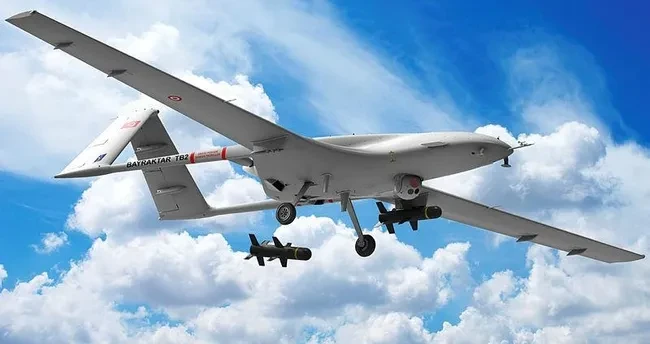
Notably, technological advances in the field of unmanned aerial vehicles (UAVs/SİHAs/TİHAs) have played a significant role in transforming Türkiye's position in the global defense market. The operational performance of the Bayraktar TB2 during the initial phase of the Russia-Ukraine War created strategic visibility for Türkiye in defense diplomacy, as well as demonstrating tactical military success. The TB2’s operational success in the field led to Turkish defense industry products being perceived as combat-proven systems, resulting in a marked increase in market demand. This process has paved the way for Türkiye to develop new security partnerships, particularly in Europe and Africa.
However, the nature of modern warfare necessitates technological adaptation. The battlefield is not limited to measuring the performance of existing systems; it has evolved into a dynamic competitive space where countermeasures, electronic warfare capabilities, and air defense systems rapidly develop.
In this context, technological superiority is not static, but closely linked to a continuous innovation cycle. The ongoing quest of states to produce alternative and more advanced systems is vital for strengthening the dynamism of defense technologies. For Türkiye, this necessitates the deepening of engineering capacity, increased investment in R&D, and the strategic imperative of reducing foreign dependency in sub-systems.
Africa is one of the regions where tangible reflections of this transformation are observed. In the context of the internal conflict in Sudan, the active use of the Akıncı TİHA—developed by Baykar and conducting its maiden flight in 2019—in the Sudanese army’s inventory, is particularly notable regarding the operation carried out with Roketsan munitions against the Chinese-made FK-2000 air defense system, demonstrating the capabilities of Turkish defense systems in detecting, identifying, and neutralizing opposing systems. Such operational outcomes show that Turkish defense products are effective not only in low-intensity conflicts but also against integrated air defense elements, thus contributing to market expansion.
Similarly, the use of TB2 platforms in intelligence, surveillance, and reconnaissance (ISR) operations in Africa positions them as tools that limit the mobility of illegitimate armed groups and reinforce state authority. This indicates that defense industry exports are not solely an economic activity, but also have become part of security sector reform and capacity building processes.
However, these operational and export successes achieved in the defense industry are directly related to institutional capacity and supply chain management in terms of sustainability.
For example, Otokar’s need to pay compensation due to delays in the supply process in Romania demonstrates that export success is not limited to just signing a contract; timely delivery, production planning, and logistics management are at least as critical as technological performance. Similarly, challenges encountered in engine procurement for the KAAN project underscore the importance of completing the localization of sub-systems in strategic platforms.
Therefore, Türkiye's defense industry vision should progress along three fundamental axes:
Technological Deepening: Advancing toward complete independence in critical sub-systems (engines, electronic warfare, sensor technologies, software).
Institutionalization of Operational Proof: Integrating field performance into systematic data analysis and the product development cycle.
Supply and Export Reliability: Institutionalizing timely delivery and sustainable logistics support mechanisms in international contracts.
In conclusion, the development of national systems broadens Türkiye's foreign markets and increases its export potential. However, to become a permanent and top-tier player in the global defense market, technological innovation and institutional reliability must be strengthened simultaneously. Along with operational success, delivery discipline and industrial sustainability have become strategic priorities for the image of Türkiye's defense industry.
No comments yet. Be the first!